A noon meeting can feel a little more productive when the table holds something better than boxed sandwiches and a last-minute tray of cookies. So, can you cater office lunches and still give your team a meal worth looking forward to? Absolutely. The right office lunch feels generous, organized, and welcoming – a brief break that tells employees, clients, and partners their time matters.
For Naples businesses, an Italian-inspired catered lunch brings the familiar comfort people love with enough variety to serve a mixed group well. Think hearty pasta, fresh salads, satisfying proteins, warm bread, and a sweet finish that makes an ordinary Tuesday feel like a small celebration. The goal is not to turn the office into a formal dining room. It is to make hosting easy while serving food that leaves a warm impression.
Can You Cater Office Lunches for Any Size Team?
Yes, but the best menu depends on the headcount, the occasion, and how your group will eat. A lunch for eight people gathered around a conference table needs a different approach than a training session for 50 or an open-house lunch where colleagues come and go over two hours.
For smaller teams, a shared family-style meal often creates the most relaxed experience. A few pasta selections, a fresh salad, and an entrée or two give everyone choices without covering the table in excess packaging. It is especially fitting for leadership lunches, team milestones, and client conversations where the meal is part of the hospitality.
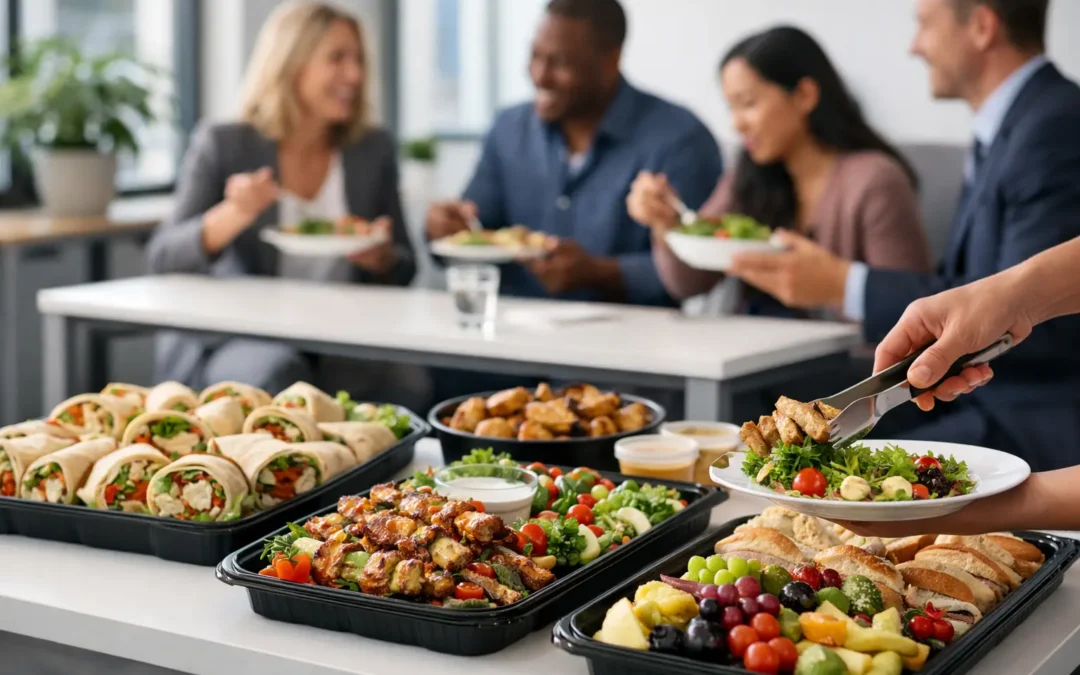
Larger groups usually benefit from a buffet-style spread built for easy serving. Portions should be clearly planned, utensils should be included, and dishes should hold well through the natural delays of office life. Meetings run long. A guest arrives late. Someone gets pulled into a call. Foods that remain satisfying rather than fussy are the smart choice.
A good caterer will ask about more than the number of guests. They should want to know when you need the food, whether you have a place to set it up, whether your team will be seated, and whether dietary requests are part of the plan. Those details turn catering from a delivery into a hosted experience.
Why Italian Comfort Food Works for Office Lunch Catering
Office groups are rarely made up of people who all want the same thing. One person may be looking for a lighter lunch, another wants something hearty, and someone else may be avoiding meat or gluten. Italian comfort food gives organizers a practical middle ground because it is familiar, flexible, and genuinely satisfying.
Pasta is an easy centerpiece because it travels well and serves beautifully in a group setting. A classic bolognese offers rich, slow-cooked comfort, while a tomato-based pasta can provide a welcoming vegetarian option. Lasagna is ideal when you want a meal that feels especially generous, and chicken, seafood, or steak selections can elevate a client lunch or an end-of-quarter gathering.
Balance matters just as much as abundance. Pair richer dishes with crisp salads, seasonal vegetables, and lighter sauces when possible. A thoughtful spread should let people build a plate that works for them instead of forcing everyone into one heavy choice. And do not underestimate dessert. A tray of cannoli or another classic Italian sweet gives the lunch a memorable final note without requiring a separate outing.
Pizza can be a terrific office lunch choice, too, particularly for casual team gatherings, creative sessions, and Friday celebrations. It is approachable, easy to share, and naturally social. The trade-off is timing: pizza is at its best when guests are ready to eat soon after it arrives. For a meeting with an uncertain start time, pasta and entrée trays may be the more forgiving option.
Start With the Reason You Are Gathering
The strongest office lunches match the food to the moment. A working lunch meant to keep a team focused calls for food that is easy to serve and easy to eat. A client presentation may call for a more polished menu with a little extra variety. An employee appreciation lunch can be more celebratory, with favorite comfort dishes, dessert, and room for people to linger.
Before choosing dishes, consider what you want the meal to accomplish. Are you trying to thank a team after a busy season? Welcome a new employee? Keep visiting clients comfortable between appointments? Celebrate a birthday, promotion, or project launch? Once the purpose is clear, menu choices become much easier.
For example, a training lunch may need a practical buffet that keeps the room moving. A leadership planning session may benefit from a smaller, more composed meal with fewer options and less interruption. If the event is a casual office celebration, build in the food people will be excited to talk about: a favorite pasta, fresh pizza, a signature salad, and something sweet.
How to Plan a Catered Office Lunch Without Stress
The easiest office lunches are planned a few days ahead whenever possible. Giving your caterer time to prepare helps protect quality and gives you a better chance of accommodating preferences. It also lets you confirm practical details before the morning gets busy.
Start with a realistic headcount, then account for a small margin if attendance tends to shift. Share the schedule, delivery instructions, building access details, and the name and phone number of the person receiving the order. If your office has security, elevators, a loading area, or limited parking, mention it early. These small details matter when lunch needs to arrive on time.
Next, ask about dietary needs directly rather than making assumptions. You do not need to create an entirely separate menu for every individual request, but you should make sure there are clear choices for guests who are vegetarian, gluten-sensitive, or avoiding certain ingredients. Labeling dishes is a simple courtesy that prevents confusion and helps everyone enjoy the meal comfortably.
Finally, think through the serving setup. Do you have enough space for the food, plates, napkins, utensils, and drinks? Will guests serve themselves, or will someone set plates at the table? Is there a refrigerator for leftovers? A little preparation makes the experience feel effortless once the food arrives.
What Makes a Catered Lunch Feel Generous
Generosity is not simply ordering more food. It is giving people enough choice, serving it at the right temperature, and making the table feel inviting. A well-planned lunch usually includes a main dish, a complement such as salad or vegetables, bread, and a dessert or beverage option when the occasion calls for it.
Presentation counts, especially when clients or visiting partners are involved. Food arranged in clean, easy-to-serve trays signals care before anyone takes a bite. If the lunch is meant to celebrate, add a simple touch that fits the group: sparkling waters, a dessert tray, or a handwritten note from the leadership team. Those gestures make appreciation feel personal.
At Bernwood Tavern & Cucina, the spirit behind great hospitality is simple: serve authentic Italian flavors with the kind of warmth that makes people want to gather around the table. That is a natural fit for an office lunch, where good food can turn a calendar obligation into a moment of connection.
Questions to Ask Before You Place the Order
Ask whether the menu is designed for individual boxes, shared trays, or buffet service. Each format has a place. Individual meals are useful when people need to eat at their desks or when dietary preferences are highly varied. Shared trays create a more communal feeling and usually offer better variety for the group.
Ask how dishes will be packaged and whether serving utensils, plates, napkins, and labels are included. If lunch is timed around a meeting, confirm the desired delivery window and how long the food will hold at its best. For larger lunches, it is also wise to ask about portion guidance rather than guessing. A caterer who understands group dining can help you avoid both shortages and unnecessary waste.
If alcohol is part of a late-afternoon office event, check your workplace policy first and keep the setting appropriate. For most daytime lunches, handcrafted nonalcoholic drinks, sparkling water, tea, or soft drinks keep the meal festive while allowing everyone to return to their day comfortably.
The best office lunch does more than fill a gap between meetings. It gives people a reason to pause, share a table, and feel appreciated. Choose food that is comforting, plan for the people in the room, and let a little hospitality do the rest.